
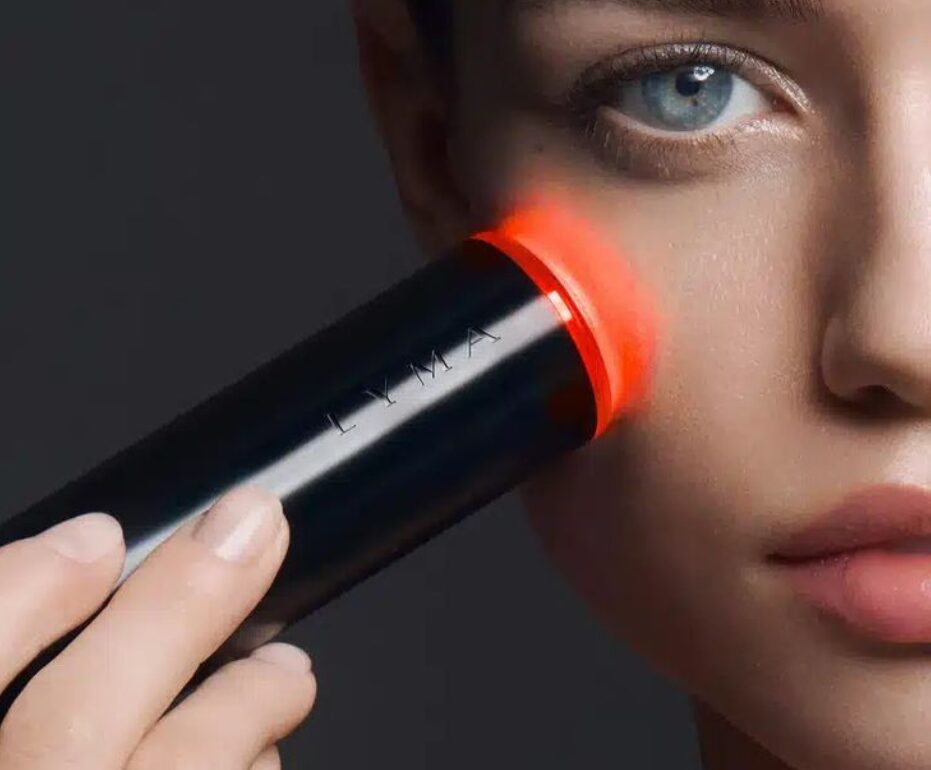
At-home skincare devices have come a long way. And lately, two devices have dominated everyone’s TikTok feeds and bathroom shelves: the NIRA Pro Laser and the LYMA Laser.
Celebrities, content creators and beauty editors rave about them, but are they truly effective? And more importantly: Which one is right for your skin goals?
As a London-based dermatology and aesthetics clinic, we’re always asked whether at-home lasers can genuinely support results or whether in-clinic treatments are still the gold standard. The answer? At-home lasers can be helpful—if you understand what they can and cannot do.
Let’s break down NIRA vs. LYMA in an easy, expert-guided way so you can invest with confidence.
How Do At-Home Lasers Work? A Quick Dermatologist-Approved Overview
Both devices fall under the category of low-level laser therapy (LLLT) or non-ablative light-based treatments, meaning they work beneath the skin without damaging the surface.
According to dermatology research (PubMed; American Academy of Dermatology), non-ablative lasers stimulate:
- Collagen and elastin production.
- Improved skin texture.
- Softening of fine lines.
However, their energy output is significantly lower than professional devices used in a dermatology clinic in London. This means:
- They’re safe for home use.
- Results are gradual, not dramatic.
- They work best as maintenance, not as a standalone solution for significant concerns.
NIRA Pro vs. LYMA Laser: The Expert Comparison
NIRA Pro Laser
What it is:
A 1450-nm non-ablative diode laser that gently warms the dermis to encourage collagen regeneration. It uses controlled heat—similar (in principle) to professional non-ablative resurfacing treatments, but with much lower intensity for safety.
Best for
- Softening fine lines, especially around the eyes.
- Busy lifestyles (3 minutes a day).
- Those seeking an entry-level at-home device.
- A lower investment compared to LYMA.
Key Features
- FDA-cleared for periorbital wrinkles.
- Safe for all skin tones.
- Adjustable intensity settings.
- Results typically appear around 90 days.
- Price: £500–£600 range.
- Mild warming sensation; no downtime.
Our Clinical Take:
The NIRA Pro is a great option for someone focused on a very specific concern, usually eye wrinkles or early signs of ageing. Because it relies on heat, it mimics the biological pathways we see in clinical treatments such as microneedling or non-ablative laser resurfacing, but at a far gentler level.
It won’t replace in-clinic technologies like fractional lasers or RF microneedling, but it does offer maintenance benefits for patients between treatments.
LYMA Laser
What it is:
An 808-nm cold, near-infrared LLLT laser that works without heat. Instead of heating the dermis, it signals skin cells to repair, regenerate and improve elasticity. Many users choose LYMA for its sensation-free experience.
Best for
- Full-face wrinkle smoothing.
- Improving texture and mild pigmentation.
- All-over skin rejuvenation.
- Those willing to invest in a premium device.
Key Features
- FDA-cleared for facial wrinkles.
- Results in ~12 weeks.
- Safe for all skin tones.
- Expensive: £2,000–£2,200+.
- Requires ~15 minutes daily.
Our Clinical Take:
LYMA’s strength lies in coverage and comfort. It’s not targeted like NIRA, it aims to improve the overall quality and resilience of the skin. For patients dealing with mild texture irregularities or early pigmentation, LYMA can offer an at-home “boost” between in-clinic sessions such as chemical peels or skin rejuvenation treatments.
However, pigmentation concerns, especially melasma or deeper sun damage, typically respond better to professional treatments like laser pigmentation treatment in London, which we provide at Faciem.
So… Which One Is Better?
The answer depends entirely on your goals:
Choose NIRA if…
- Your main concern is eye wrinkles.
- You want a budget-friendly option.
- You prefer shorter routines.
- You’re looking for targeted collagen stimulation.
Choose LYMA if…
- You want full-face rejuvenation.
- You prefer a heat-free device.
- You’re comfortable investing more.
- You want improvements in tone, texture and elasticity.
But here’s the key insight:
Neither device matches the strength or precision of medical-grade lasers used in a dermatology clinic. They can be excellent add-ons or maintenance tools, but they won’t replace professional treatments—especially for concerns like:
- Pigmentation
- Acne scarring
- Significant wrinkles
- Skin laxity
At Faciem, we often recommend pairing at-home devices with in-clinic treatments for optimal results.
How At-Home Lasers Compare to In-Clinic Treatments
1. Pigmentation & Sun Damage
At-home lasers offer mild brightening, but persistent pigmentation typically requires:
- Laser pigmentation treatment (London)
- Chemical peels
- Medical-grade skincare
2. Ageing & Wrinkles
At-home devices stimulate collagen slowly. For stronger results, patients often combine them with:
- Microneedling
- RF microneedling
- Anti-wrinkle injections
3. Texture & Scarring
Neither NIRA nor LYMA can meaningfully treat acne scarring. Instead, dermatology standards include:
- Fractional laser
- Microneedling
- PRP
At-home lasers are safe, effective supporting tools—not replacements. They can:
- Enhance your routine.
- Maintain results between treatments.
- Support collagen over time.
But if you want noticeable, long-term change, the best starting point is understanding your skin through a personalised consultation.
Ready for Expert Skin Guidance?
Whether you’re considering an at-home device or an in-clinic treatment, our dermatology team can recommend the safest, most effective path to your goals.
Book a consultation with Faciem Dermatology to discover the best treatments for your skin, whether it’s pigmentation, ageing, texture or sensitivity.
Click here to book your consultation at Faciem Dermatology.




 Book Now